August 17, 2026





July 30, 2025
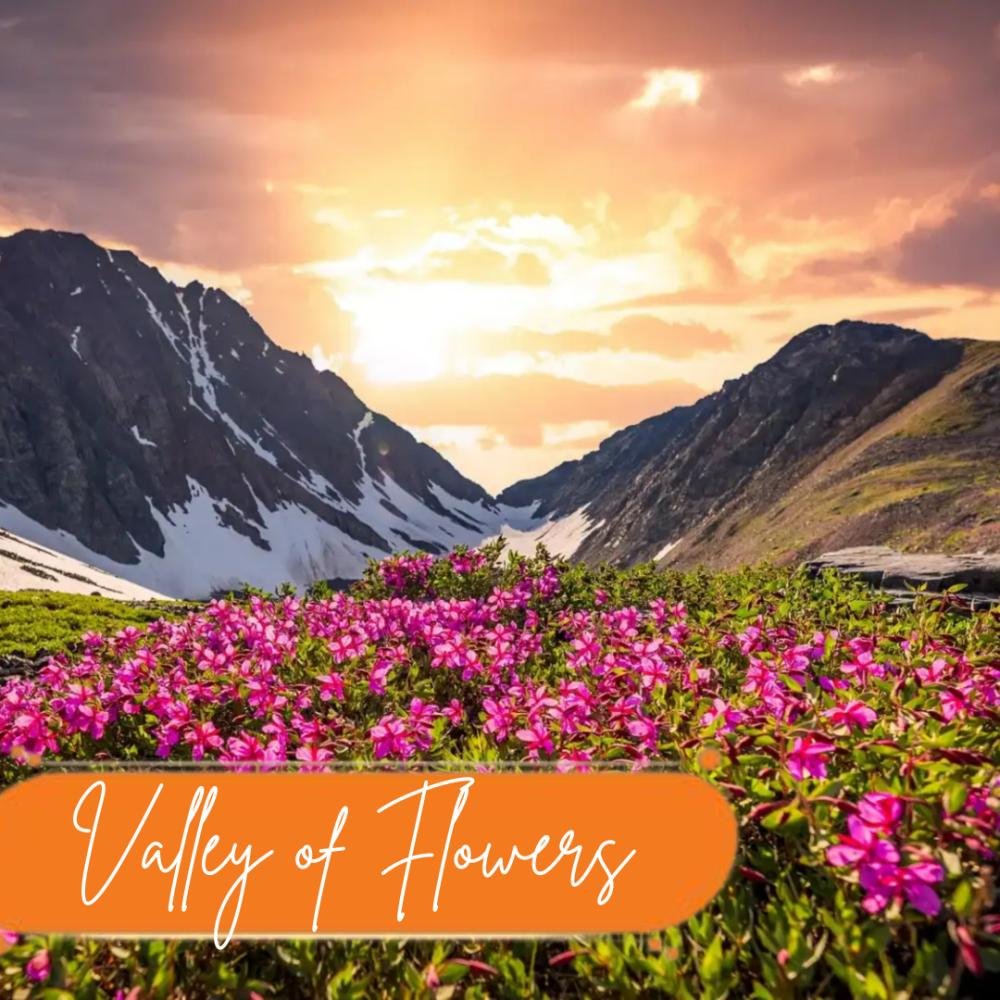
Valley of Flowers
What Makes the Valley of Flowers an Unmissable Trek?
· True to its name, the Valley of Flowers is a breathtaking destination where vibrant blossoms blanket the landscape as far as the eye can see. This enchanting trek is famous for its lush alpine flora, showcasing more than 500 varieties of rare and colorful flowers, such as the renowned Brahma Kamal and the Himalayan Blue Poppy.
· A major highlight of the trek is a visit to Hemkund Sahib, one of the world’s highest Gurudwaras. This sacred site is not only spiritually significant but also offers awe-inspiring views set against a stunning mountainous backdrop.
· Recognized as a UNESCO World Heritage Site, the Valley is celebrated for its otherworldly beauty and pristine natural setting. Along the way, trekkers pass through charming Himalayan hamlets like Pulna and Ghangaria, the latter serving as the main base for both the Valley of Flowers and Hemkund Sahib routes.
· The trail offers a feast for the senses—cascading waterfalls, crystal-clear streams, verdant meadows, and dramatic mountain views. The vivid hues of the valley, combined with rich wildlife and spectacular scenery, make it a paradise for nature lovers and photography enthusiasts alike.
· Standing amidst a sweeping floral landscape, surrounded by mist-covered peaks, feels like stepping into a dream. Open only during a limited season each year, visiting the Valley is a rare and unforgettable adventure—truly a once-in-a-year experience.
Why the Valley of Flowers Stands Out
· Tucked away in the heart of the Himalayas, the Valley of Flowers is a rare blend of natural beauty, biodiversity, and spiritual calm.
· A Botanical Wonderland
This high-altitude valley bursts into color each year with hundreds of rare and exotic blooms like the Brahma Kamal, Blue Poppy, and Cobra Lily. Native flowers paint the landscape, creating a vibrant and ever-changing floral display.
· Wildlife in Abundance
Beyond the flowers, the valley teems with life. From elusive creatures like the red fox and musk deer to majestic birds like the Himalayan monal and great barbet, it’s a haven for nature and wildlife lovers.
· Hemkund Sahib: Peace in the Peaks
A short trek away lies Hemkund Sahib, a serene Sikh pilgrimage site set beside a glacial lake and snow-covered mountains. The peaceful setting and spiritual energy make it a soul-soothing stop on your journey.
· A UNESCO Gem
Declared a UNESCO World Heritage Site in 2002, the valley’s untouched charm and unique ecosystem make it globally significant and visually unforgettable.
· Nature’s Masterpiece
Every step through the valley feels like walking through a painting—misty peaks, flowing waterfalls, colorful meadows, and dramatic views of mountains like Nilgiri and Rataban. It’s a paradise for trekkers, photographers, and anyone seeking raw, natural beauty.
Is the Valley of Flowers Trek Physically Demanding?
· The Valley of Flowers trek is considered easy to moderate, making it suitable for both first-time and experienced trekkers. The path has gentle slopes with a few tiring stretches, especially if you're not used to walking long distances.
· The most strenuous part is the hike to Hemkund Sahib, which involves a steep uphill climb. Although the trail is well-paved with stone steps, the altitude and steady incline can be quite challenging. In contrast, the route to the valley passes through beautiful forested paths, which may become slippery and muddy, particularly during the monsoon—so careful footing is essential.
· Overall, the trek isn't technically difficult, but endurance and preparation matter. Basic physical training—like walking long distances, climbing stairs, or regular cardio—done a few weeks in advance will help you enjoy the journey with less fatigue.
Is the Valley of Flowers Trek Safe?
· Absolutely—the Valley of Flowers trek is known to be quite safe for most travelers. The trail is well-marked and frequently used during the trekking season, so it’s easy to follow and doesn’t pose major risks. There’s no danger from wild animals, and the route is commonly patrolled, which adds an extra layer of security.
· It’s a great choice for first-time trekkers, families, and even solo or senior travelers, as the terrain is non-technical and doesn’t involve risky climbs. You can move at your own pace, take regular breaks, and fully immerse yourself in the natural beauty around you.
· Spending a night in Ghangaria before heading to higher altitudes helps with acclimatization, reducing the chance of altitude-related discomfort. Staying hydrated, wearing sturdy footwear, and carrying rain protection (since it’s a monsoon trek) are simple but essential tips to keep your trek smooth.
· Every year, countless individuals—including solo women, elderly groups, and beginners—complete this trek successfully. With some basic fitness, good planning, and the right gear, the Valley of Flowers is a safe and rewarding adventure for just about anyone.
When Is the Best Time to Trek to the Valley of Flowers?
· The ideal time to explore the Valley of Flowers is between June and September. This is the period when the valley awakens from its winter slumber and transforms into a lush, colorful wonderland. As the snow melts, the flowers begin to bloom, and by mid-July, the valley reaches its peak beauty—blanketed in thousands of vibrant flowers in every color imaginable.
· July and August are the prime months to visit, as this is when the floral display is at its fullest. The monsoon rains during this time are essential—they nourish the valley and enhance the richness of the colors. From vivid pinks and purples to soft yellows and whites, the entire landscape resembles a natural painting.
· During this season, the surrounding greenery is at its most vibrant, with waterfalls cascading down cliffs and rivers flowing alongside the trails. The weather is cool and refreshing, offering a pleasant trekking experience. However, since it’s also monsoon season, you should be prepared for rain—carry a rain jacket and waterproof covers to keep your gear dry and your trek comfortable.
How Was the Valley of Flowers Discovered?
· The Valley of Flowers was discovered by chance in 1931 by mountaineers Frank Smythe, Eric Shipton, and R.L. Holdsworth while returning from their Mount Kamet expedition. Later, in 1980, it was declared a national park and became part of the Nanda Devi Biosphere Reserve in 2000. Today, it's recognized under UNESCO’s Man and the Biosphere (MAB) program.
· Home to a wide variety of alpine flowers—some with medicinal value—the valley is protected, with no grazing allowed due to the presence of endangered plant species. Along the trail, trekkers can also visit the memorial of Joan Margaret, a botanist who died while exploring the valley.
· In essence, trekking the Valley of Flowers is a soulful experience. With its vivid blooms, misty monsoon skies, and peaceful atmosphere, it offers a rare connection with nature—an unforgettable journey worth doing at least once in a lifetime.
Embark on this unforgettable trek with Oxbow Explore.
Your gateway to the breathtaking Valley of Flowers.
Visit www.oxbowexplore.com or email us at info@oxbowmedia.in to plan your adventure today!
Latest Articles
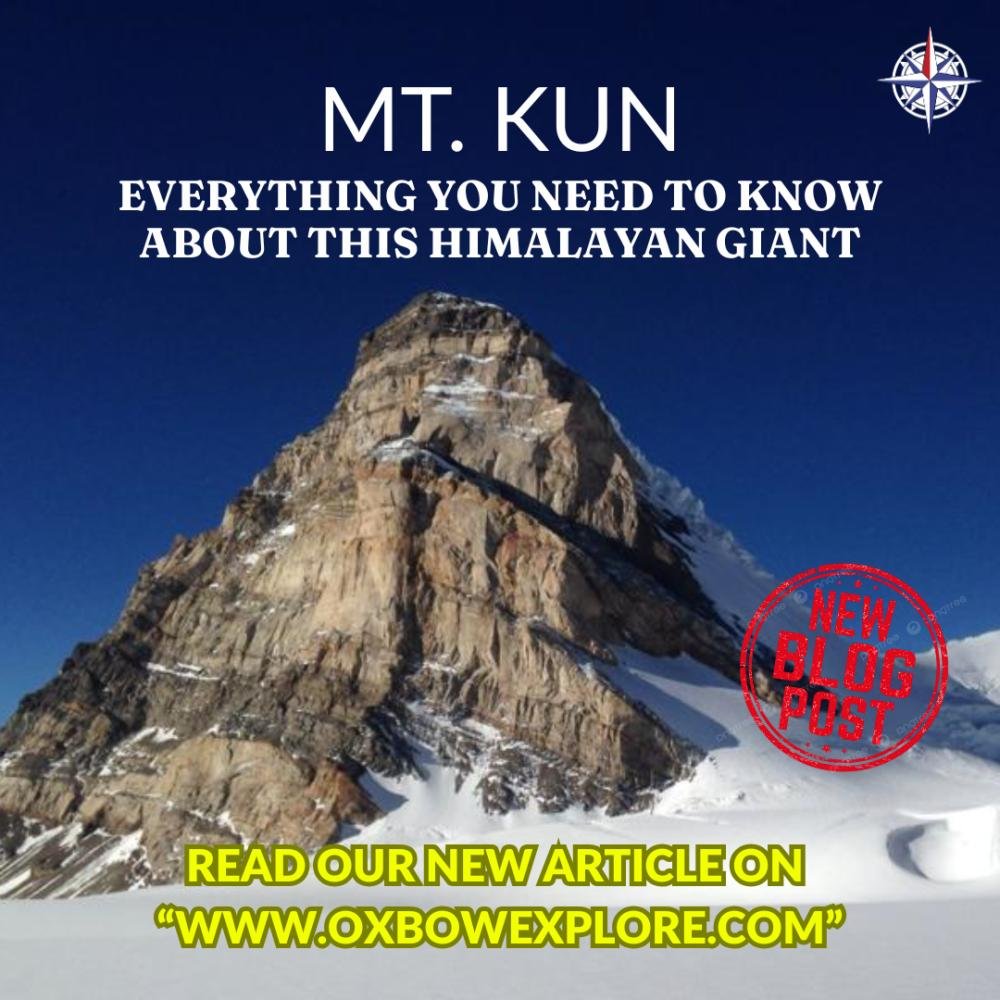
MOUNT KUN

HOW BORDER TOURISM IS OPENING NEW ROUTES FOR MOUNTAINEERS
January 6, 2026
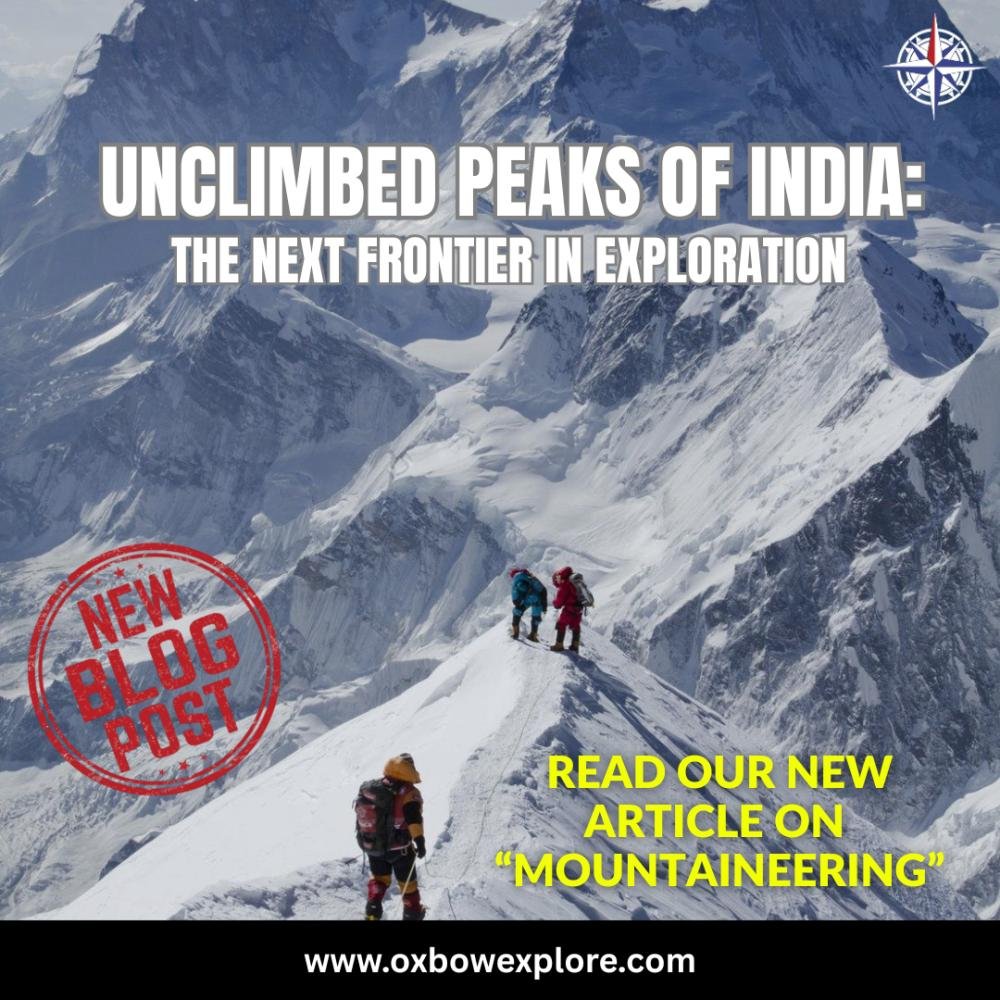
UNCLIMBED PEAKS OF INDIA: THE NEXT FRONTIER IN EXPLORATION
December 2, 2025

THE ANATOMY OF ENDURANCE
October 23, 2025
THE PSYCHOLOGY OF THE SUMMIT: WHAT CLIMBING TEACHES YOU ABOUT LIFE
October 15, 2025
