August 17, 2026





May 27, 2025
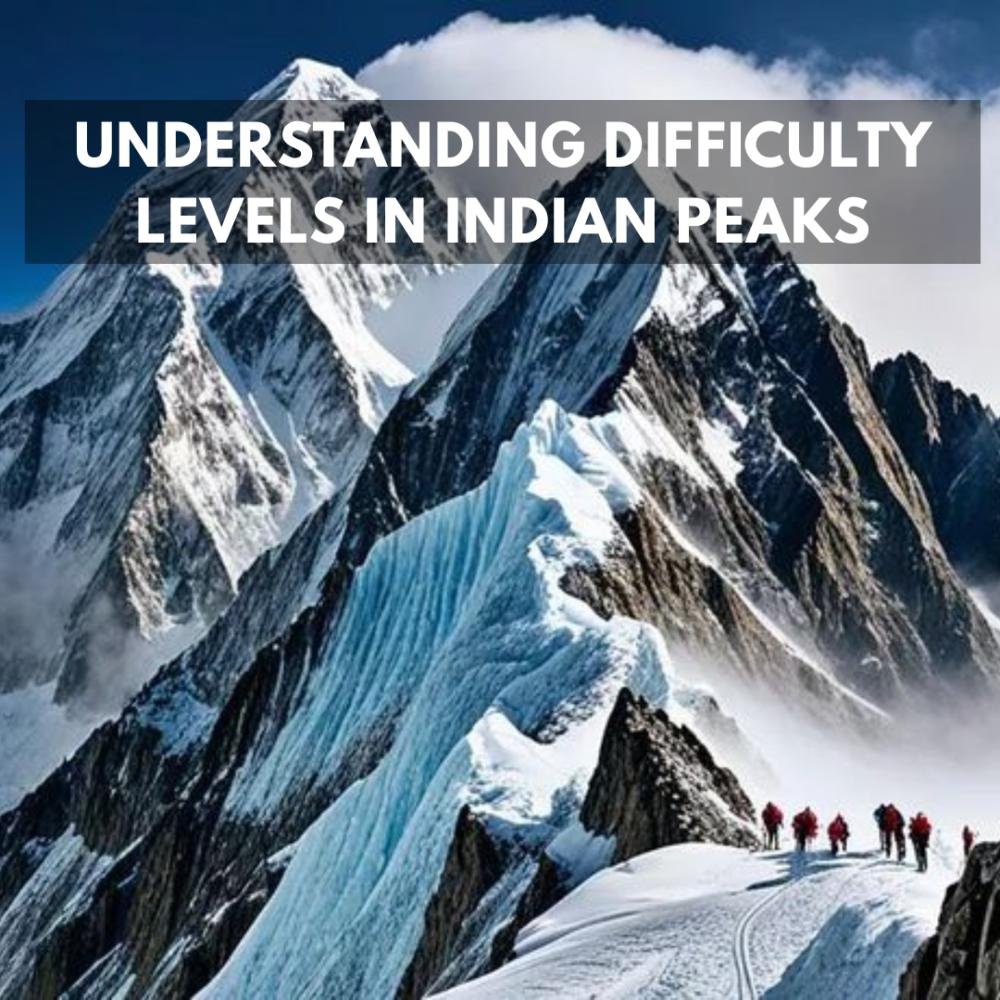
MOUNTAINEERING GRADES DECODED: UNDERSTANDING DIFFICULTY LEVELS IN INDIAN PEAKS
Curious about mountaineering difficulty levels in India?
Learn how Indian peaks are graded, what each level means, and which expeditions suit your skill set.
Mountaineering in India is a breathtaking blend of adventure, challenge, and self-discovery. With the mighty Himalayas stretching across the northern frontiers, India is home to some of the most iconic and unexplored peaks in the world. But before tying your boots and picking up the ice axe, it’s essential to understand how mountaineering grades work — and how they affect your journey.
At Oxbow Explore, where we specialise in concept-led expeditions in India’s high-altitude terrains, we believe that informed adventurers make safer, more rewarding climbs. This guide decodes the difficulty l
evels of Indian peaks and helps you find the right expedition that matches your experience and ambition.
What Are Mountaineering Grades?
Mountaineering grades are used globally to denote the technical difficulty, physical endurance, and environmental challenges involved in a climb. In India, grading loosely follows international standards, often influenced by Alpine or UIAA (Union Internationale des Associations d'Alpinisme) systems, but customized by institutes like NIM, HMI, and NIMAS based on Indian terrain conditions.
Understanding the Indian Mountaineering Grading System
While there's no single national grading framework, peaks in India are generally classified into three primary categories:
1. Easy (Grade I)
• Altitude: Up to 5000m
• Terrain: Gentle slopes, snowfields, minimal glacier navigation
• Technical Skills: Basic mountaineering or trekking experience
• Examples: Kedarkantha (3810m), Friendship Peak (5289m), Pangarchulla (4593m)
• Best For: Beginners or trekkers transitioning into basic mountaineering
Recommended Training: Basic Mountaineering Course (BMC)
2. Moderate (Grade II)
• Altitude: 5000m – 6000m
• Terrain: Mixed terrain including snow, ice, rock, and crevasses
• Technical Skills: Use of ropes, crampons, ice axe, crevasse rescue
• Examples: Mount Deo Tibba (6001m), Mount Mentok Kangri (6250m), Mt. Yunam (6111m)
• Best For: Climbers with previous high-altitude trekking or BMC experience
Recommended Training: Advanced Mountaineering Course (AMC)
3. Difficult (Grade III & Above)
• Altitude: 6000m+
• Terrain: Steep ice walls, knife-edge ridges, avalanche zones, extreme weather
• Technical Skills: Advanced alpine techniques, self-rescue, high-altitude survival
• Examples: Mount Satopanth (7075m), Mount Bhagirathi III (6454m), Mount Shivling (6543m)
• Best For: Experienced climbers with multiple expeditions and certified training
Recommended: Expedition experience, AMC, and specialised alpine rescue training
Special Considerations in Indian Conditions
India’s peaks are often more remote than those in other mountaineering hubs like the Alps. Here are unique factors that can affect grading:
• Weather variability in regions like Sikkim and Arunachal Pradesh
• Lack of established base infrastructure in virgin peaks
• Military permissions and border sensitivities
• Limited rescue accessibility in isolated Himalayan pockets
That’s why Oxbow Explore focuses not just on difficulty, but on expedition planning, logistics, safety, and purpose-led experiences.
Choosing the Right Expedition for You
Here’s a quick checklist to help you assess which grade suits you:
Experience Level Suggested Grade Expedition Type
First-time Trekker Grade I Entry-level Peak Treks
BMC Certified Grade II Introductory Climbs
AMC + Prior Summit Grade III & Above Technical Expeditions
Mountaineering is not just about reaching summits — it’s about pushing limits, understanding the terrain, and respecting the mountains. Whether you’re aiming for your first 5000m climb or preparing for a technical summit above 7000m, understanding the grading system is your first step toward a meaningful ascent.
At Oxbow Explore, we curate expeditions that are not only safe and well-supported but also rooted in community engagement, cultural storytelling, and environmental responsibility. Whether it’s a women-led summit, borderland exploration, or first ascent of a virgin peak, our journeys are designed for more than the summit.
Latest Articles
MOUNT KUN

HOW BORDER TOURISM IS OPENING NEW ROUTES FOR MOUNTAINEERS
January 6, 2026
UNCLIMBED PEAKS OF INDIA: THE NEXT FRONTIER IN EXPLORATION
December 2, 2025
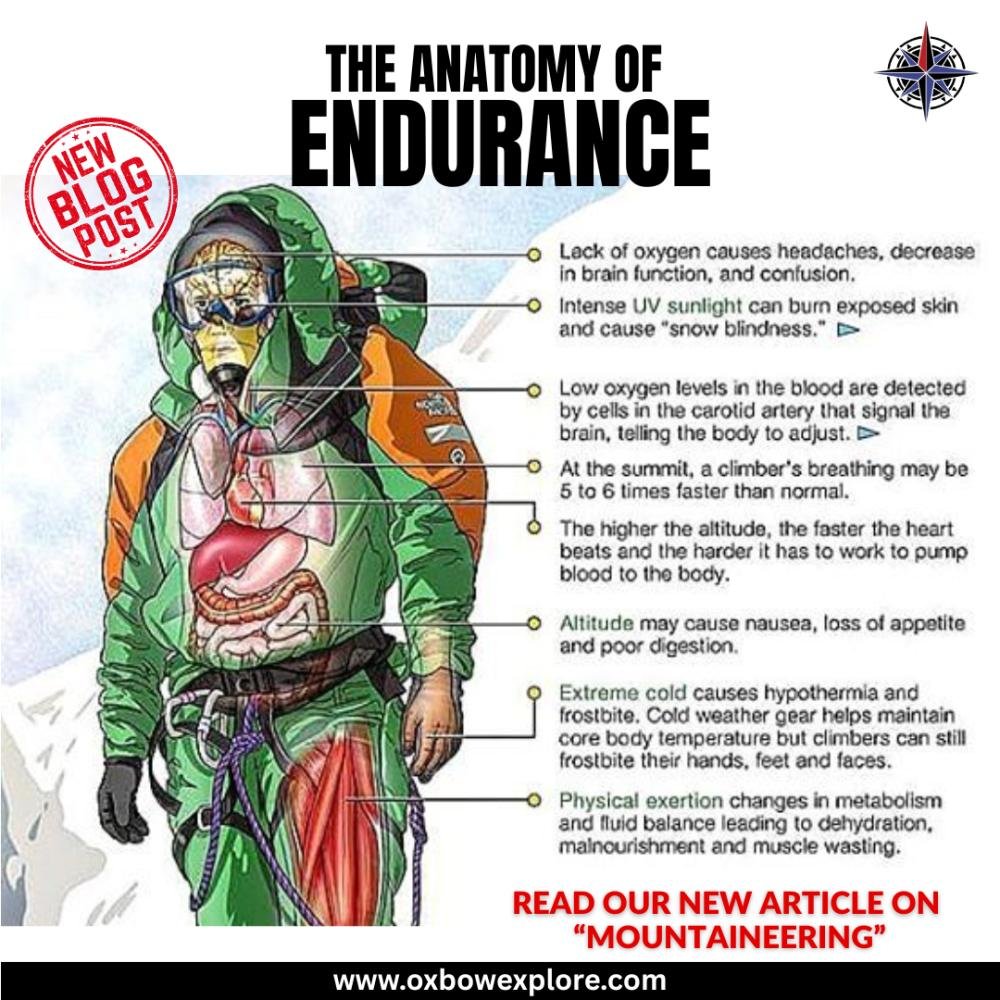
THE ANATOMY OF ENDURANCE
October 23, 2025
THE PSYCHOLOGY OF THE SUMMIT: WHAT CLIMBING TEACHES YOU ABOUT LIFE
October 15, 2025
